What To Wear To A Job Interview
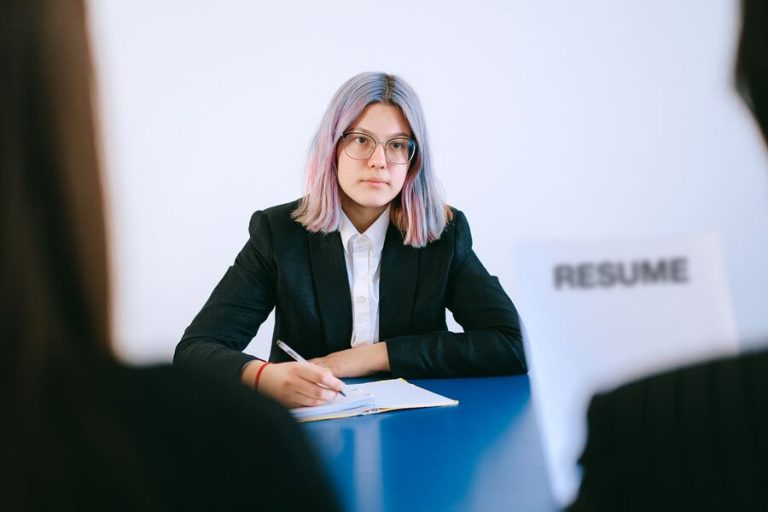
The key to what to wear to a job interview is the dress code, and this varies by company, job, industry and workplace. The ultimate goal of the perfect interview attire is to appear professionally dressed, comfortable, and make a favorable impression. If you’re looking for corporate jobs, you should wear a suit or dress shirt or a tailored pair of trousers. Smart casual could be more suitable for creative or casual environments. Simple, neatly-fitted clothes, appropriate shoes and accessories can help you appear confident and ready.
Why Your Interview Outfit Matters
The impression you make on the employers through your interview attire is crucial. How you look can tell the questioner you’re professional, confident and you’re paying attention to detail before you respond to a question or describe your experience.
It isn’t necessary to wear fancy clothing to make a good impression. The most important thing is to select the right clothes for the job and ensure you feel comfortable.
Clothing is another way of communicating that you know what’s expected in a business setting. It implies that you’ve given the interview a good deal of thought, and value the opportunity.
Let’s take a look at some of the reasons why your clothing is important:
- First impressions are important: Dressing appropriately and neatly makes for a better first impression.
- Dressed appropriately: Expresses professional behavior through dress.
- Confidence: If you feel more comfortable in what you’re wearing, then you will be more able to concentrate on your answers.
- Attention to detail: When shoes are clean, clothes are wrinkled and accessories are simple, you’ve thought about it.
Keep in mind that the most critical aspect of obtaining a job is your skills and qualifications. But with the right outfit, you can complement your appearance.
What to Wear to a Job Interview Based on the Dress Code
Take the company’s requirements and CareerOneStop advice into consideration before picking your outfit. What is appropriate attire for a bank interview might not be appropriate for a start-up or a design company.
The following are the most common interview dress codes to consider.
1. Business Formal
In industries like banking, finance, law, government, and executive management of large corporations business formal is common.
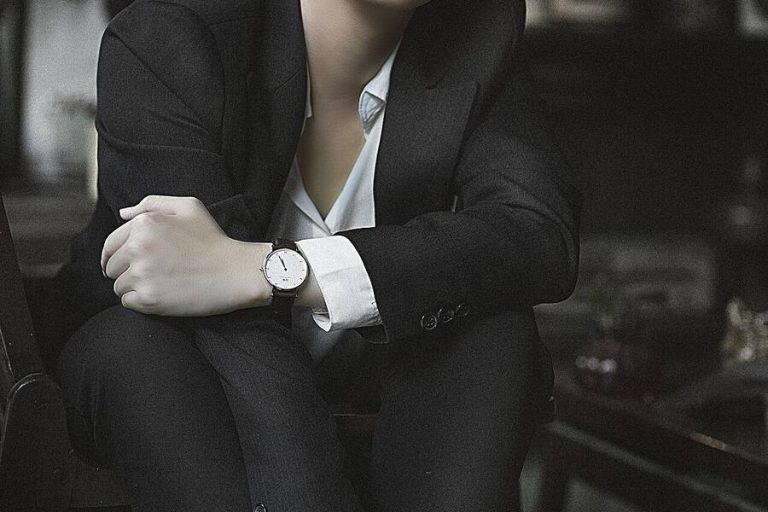
If you’re a man, a classic, navy, black or charcoal suit is always an option. Wear it with a plain dress shirt, simple tie, dress shoes, and a matching belt.
A tailored pantsuit, a formal skirt suit or a professional dress with a blazer are acceptable choices for women. Closed toe shoes and little accessories finish the outfit.
Use plain, simple colors; don’t use distracting patterns. You don’t want your clothes to be noticed, but you do want them to look professional.
2. Business Casual
For many workplaces, such as marketing firms, schools, and those that have relaxed dress codes for their employees, business casual is acceptable.
For men, a chinos or tailored pair of trousers with a button-down shirt, polo shirt or light sweater. Complete the outfit with leather shoes, loafers or clean formal shoes.
Modest dresses, smart cardigans, blouses and tailored trousers are practical options for women.
Business casual is not casual clothes. Do not wear ripped jeans, graphic t-shirts, flip-flops or overly casual sport attire.
3. Smart Casual
Smart casual is much more common for startups, creative agencies and tech firms, as well as in contemporary workplaces.
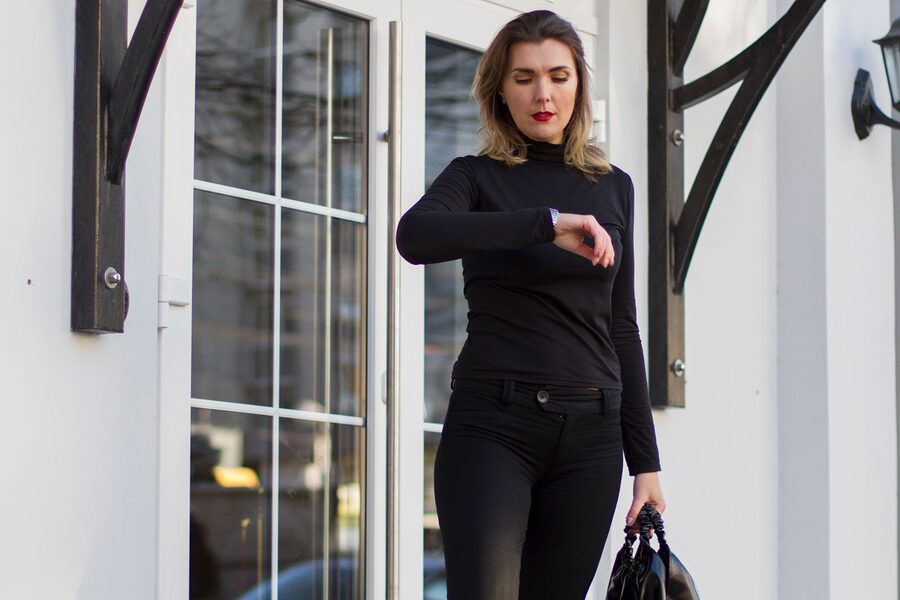
Dark jeans or chinos with a clean shirt is a good combination. Tight-fitting trousers, a simple blouse, a structured top or a casual professional dress are all options for women.
Wear clean and neat shoes and no overly casual clothes.
In the case of a company that hasn’t specified their dress code for ‘smart casual’, opt for a slightly more formal piece. When in doubt, it’s better to be overdressed than underdressed.
What to Wear to a Job Interview for Men and Women
While the overall ideas of wearing clothes to work are the same for all, outfit combinations can help create a professional appearance.
Job Interview Outfit Ideas for Men
Men need to pay attention to their clothing and make sure it fits right and is clean. It will depend on the company and position.
Consider these options:
- Interview: a navy suit, white or light blue dress shirt and formal shoes.
- Business casual interview: Button down shirt, dress pants or chinos, leather loafers.
- Casual Office interview: For dark jeans, choose dark, clean jeans, and for collared shirts, be sure to use a collared shirt and for sweater, wear a smart sweater if it’s appropriate for the company.
- Summer interview: Wear light-colored trousers and a shirt that’s made of cotton or linen.
Grooming is important too! Keep hair trimmed and facial hair neatly-kept and shoes clean. A simple watch and matching belt can complete your outfit.
Job Interview Outfit Ideas for Women
There are a number of professional outfits that women can wear, ranging from traditional suits to business casual outfits.
Some of the practical solutions are:
- Formal interview: Pantsuit, skirt suit or professional dress with blazer.
- Business casual interview: Tailored trousers with a blouse, cardigan or structured top.
- Casual workplace interview: A neat blouse or simple professional dress with dark jeans.
- Interviews in the summer: A breathable blouse with tailored trousers or a comfortable professional dress.
Select garments that enable your to sit, walk and move around comfortably. Don’t wear clothes that are too tight, distracting patterns, or too many accessories.
Shoes must be clean and comfortable. Depending on the place of work, flats, loafers, low heels and closed-toe shoes are all sensible choices.
Looking for style inspiration? See how model Christen Harper balances polish and comfort in her work wardrobe.
What Not to Wear to a Job Interview
It’s equally as crucial to know the things to stay away from as it is to know what to wear. A well-chosen clothes is never a professional look if it isn’t up to scratch and doesn’t match the office environment.
These are some of the things to stay away from when wearing clothes for most job interviews:
- Clothes that are wrinkled: Steam or iron your clothes before the interview.
- Dirty shoes, shoes that are damaged: Shoes ought to be clean and in good repair to provide an overall neat look.
- Casual wear: If not specifically instructed otherwise by the company, don’t wear ripped jeans, gym attire, flip-flops or graphic t-shirts.
- Expensive perfume or cologne: Avoid perfumes or colognes with strong scent as these can be distracting in small interview rooms.
- Too many accessories: big jewelry, loud accessories and things that distract from the conversation.
- Clothing that does not fit properly: Extremely tight or oversized clothes may make you feel uncomfortable.
- Revealing outfits: Wearing clothes appropriate for the workplace and that make you feel good.
The aim is not to adhere to a ‘set fashion rules’. It’s an effort to ensure you look the part of the professional you want to be.
For a deeper checklist, read how to choose the right clothes for an interview, and note how fashion designer Jerry Lorenzo keeps basics clean and fitted.
How To Choose The Right Interview Outfit
But when you’re still not sure what to wear, a bit of preparation helps in the decision. Research the company and know what they’re like at work.
Check out the company’s website and social media pages. Examine worker pictures or work pictures to see how people are dressed. It’s also a good idea to inquire from the recruiter about the required attire.
With this understanding of the environment, here are some practical tips:
- Do some research: Check if the workplace is formal, business casual or relaxed. Clothes and their professional setting.
- Wear clothes that are comfortable: The clothes worn should be comfortable to sit, walk and move around in without having to constantly adjust.
- Stick to neutral colors: Navy, black, gray, white, beige are simple colors that will work in most interviews.
- Consult the weather: When choosing your clothes, make sure to take into account the temperature and the weather. Lightweight fabrics help in hot weather and layering is helpful in colder weather.
- Make your outfit ready ahead of time: Don’t leave the outfit for the day of the interview. Inspect for stains, loose buttons, wrinkles or broken shoes on the previous day.
- Groom your appearance: Fresh breath, trimmed nails, clean hair and neat clothing add to your professional appearance.
- Prepare for virtual interviews: Make sure to wear a professional top, inspect what shows up on camera, and select a quiet, light background. It’s also wise to have a suit from head to toe in case you’re asked to stand during the interview.
By following these easy tips, you can minimize stress and concentrate on the interview.
Final Thoughts
Choosing what to wear to a job interview does not have to be complicated. The best outfit is one that matches the company’s dress code, fits comfortably, and makes you feel confident.
Whether you choose a formal suit, business casual clothing, or a smart casual combination, focus on looking clean, neat, and professional. Avoid distracting accessories and clothing that makes you uncomfortable.
Most importantly, remember that your outfit is only one part of the interview. Your communication skills, experience, preparation, and attitude matter much more.
Now you know what to wear to a job interview. Take time to plan your appearance, prepare your answers, and learn about the company. When you feel comfortable and prepared, you can focus on showing the interviewer why you are the right person for the job.