Walk-In Shower vs Tub: Which Is Better?
While a bathtub may suit those who enjoy soaking in the bath, a walk-in shower is typically favored by homeowners who appreciate easy access, rapid clean up and a sleeker bathroom design. Your choice will depend on your bathroom design, activities, safety requirements, budget and future plans. While tubs offer a plush bathing experience and might be desirable for some home buyers, showers can conserve space and water with short baths. It can be useful to know some of the distinctions to help you pick the most appropriate option for your bathroom.
The decision between a walk-in shower vs tub isn’t always easy to make. Either of these choices is useful in their practicality, and neither one is necessarily better for all bathrooms.
A shower can help open up a small bathroom and improve its usability. A tub can be a nice place to relax or might be more useful for families with children. The selection will also impact how the room is cleaned, whether it’s accessible or not, water consumption, cost of installation, and the overall design of the room.
When renovating a bathroom, it is important to consider more than just the aesthetics. Consider the way you use your bathroom today and how you might use it in the future.
Walk-In Shower vs Tub: The Main Differences
The foremost distinction is in terms of the way in which each fixture is utilized. A shower that can be walked into is meant for people to stand up in while showering. A tub is a bath where one can sit or lie down in it. Other bathrooms have both by having a shower over a bathtub.
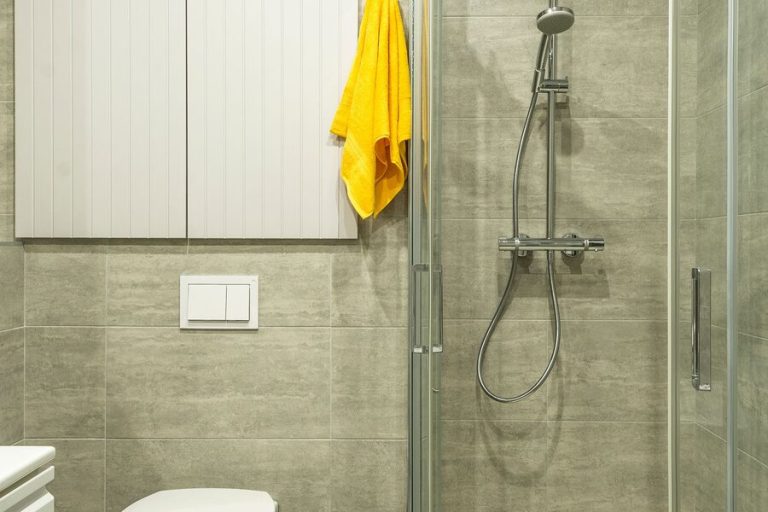
Walk-in showers usually slope gently upwards at their entrance. They may be a glass enclosure, shower door, an integrated bench or a handheld showerhead, or even grab bars, depending on the design. They come in a variety of sizes, and can be used in small or large bathrooms.
There are several types of bathtubs such as alcove, drop-in, corner and freestanding. Some have a shower head, others are intended primarily for soaking.
Some of the significant differences to take into account:
- Walk-in shower are typically more accessible.
- Soaking: Tubs are another alternative to relaxation.
- Space: In compact bathrooms, showers are a good option.
- Children: Tubs can be more useful when bathing youngsters.
- Cleaning: There are generally less large areas in showers where standing water accumulates.
- Water Use: Taking a short shower uses less water than a bath.
- Resale appeal: Both can contribute to the value but it will depend on what the home buyer wants and the market.
Which of these is most important to you will determine which one you should make.
Benefits Of A Walk-In Shower
The popularity of walk-in shower baths has grown as a popular choice during bathroom remodeling. This is one of the primary reasons. These shower stalls allow you to enter without having to climb over the ledge of the shower.
This can be beneficial for those who are elderly and less mobile. If it’s designed correctly, an RV shower will have a low threshold entrance, a non-slip floor, grab bars and a built-in seat. These features can help with your daily bathing routine to be easier and safer.
A walk-in shower can also help to make a bathroom appear larger. The clear glass panels enable light to pass through the room and not offer a barrier. This is especially useful in bathrooms that are smaller in size so that every inch of visibility counts.
Another benefit is the flexibility. There are different shower sizes, tiles, fixtures, storage and shower enclosure options available. There are different shower sizes to choose from: a bigger shower can fit two persons, and a smaller one fits in a small floor plan.
Cleaning is another consideration. A full tub basin is not needed to clean a shower. But, shower walls, glass doors, grout and drains need routine maintenance as well.
Consider a walk-in shower if you:
- Take short showers rather than long baths.
- Desire to be easier to reach the bathing area.
- Have a small bathroom.
- Want a contemporary bathroom design.
- Plan to add accessibility features.
- Do not like to clean and take care of a bathtub.
The one concern that may be a problem is removing the single bathtub from a house may not work for every family. A tub might be more convenient for families that have young children.
Benefits Of A Bathtub
Many homeowners still choose to have a bathtub. The one thing they have going for them is that they soak up. Long baths after a tiring day are a great pleasure to be enjoyed, and showering cannot compare to that.
Families with young children can also find benefits from having tubs. A tub is usually easier to use when bathing a small child than a shower. The contained basin allows for more control for parents during bath time.
You can also use a bathtub as a versatile element. There are a number of homeowners who install a tub above a shower. This offers bathing choices without having to install two fixtures.
There are a number of different types of bathtubs to select from. The three wall area is well utilized with an alcove tub. A freestanding tub can be a focal point in a bigger bathroom. If relaxation is important a deeper soaking tub may be helpful.
But there are some drawbacks to tubs. It may be more difficult to step over the higher side, particularly for those with mobility issues. Large tubs also require a considerable amount of floor space.
A bathtub may be the better choice if you:
- Have young children.
- Have fun sitting in a bathtub.
- Desire a shower/tub combination.
- Have sufficient bathroom room.
- Wary of retaining a bathtub for sale.
- Prefer a traditional bathroom layout.
Another factor to take into account is how frequently you use your tub. If it hasn’t been used much, it could benefit as a bigger shower or more bathroom storage.
Which Is Better For Small Bathrooms, Safety, And Cost?
The size of the bathroom may play a huge part in your decision. Walk-in showers are great in a small bathroom for space conservation. A glass enclosure can make the room appear smaller and a custom shower can fit around existing walls and fixtures.
There should be adequate room for a bathtub, plus room to use the tub comfortably. Another great option for a bathroom that is smaller in size is a standard alcove tub as long as it is paired with a shower. Sometimes, though, converting a tub to a shower can open up more floor space.
Another important consideration is safety. Accessibility is one of the primary benefits of a walk-in shower for many individuals. Taking a step over a tub wall can form a fall hazard. A low threshold shower eliminates the barrier.
However, not all walk-in showers are necessarily safe. Smooth surfaces, inadequate drainage, slippery floors, and unsupportive surfaces are potential issues. Good design matters. When needed, slip-resistant flooring, good lighting, grab bars and a handheld showerhead.
Installation costs are not as easy to compare since they vary by the installation. A shower/tub setup might be less costly than a walk-in shower. However, a prefabricated shower might be more affordable than a luxury bathtub fit.
Factors that might impact the final price are:
- Plumbing changes
- Waterproofing requirements
- Tile and flooring
- Install shower doors or glass panels between rooms or spaces.
- Fixtures and hardware
- Labor
- Demolition and disposal
- Drain location
- A change in either the structure or the electrical properties.
When deciding solely on the fixtures, request quotes for the entire process. When it comes to bathroom renovations, it could be more than one thing you’re looking to replace.
Walk-In Shower Or Tub: Which Is Better For Resale Value?
One of the most frequent reasons homeowners don’t want to get rid of their bathtub is the resale value. No set, fixed rules exist as to whether or not a tub is required in every home.
The best way to do this is to take into account the number of bathrooms in your house. If you have multiple bathrooms and one of them has a bathtub, then maybe you don’t need to worry about converting them to walk in showers.
If the house has just one bathroom and the tub is being taken, it might not appeal to some prospective home buyers. A bathtub might be especially important for families with small children.
However, if the walk-in shower is easy to access and well-designed, it can appeal to homebuyers who appreciate convenience and contemporary amenities. This is especially important when considering those who may be making plans to live there for many years.
Don’t only think about selling, think about yourself first. The renovation should enhance how you live in the home.
For people who are interested in reselling, a balance can be appropriate. A minimum of one bathtub can also offer some flexibility to future purchasers, as will be a walk-in shower in another location.
How To Choose The Right Option For Your Bathroom
Start by thinking about your daily routine. Take fast morning showers? Or do you like taking baths on a regular basis? The things you do in the bathroom are more important than current trends.
Now, think of who goes to the bathroom. A tub may be a good choice for a bathroom that is used by kids. Large walk-in showers might be more appropriate for a primary bathroom, which is used by an adult.
The decision should also take into consideration accessibility. If you don’t need accessibility features right now, it may be worth planning for the future. Having a low entrance shower, using sturdy grab bars, and a shower seat that is easy to sit on can make the bathroom more accessibly later on.
Consider maintenance, as well. If one has a large glass shower, it may need to be cleaned more often to avoid the build-up of water spots. Grout for tiles also should be taken care of. While it may be easier to keep a tub clean in some floor plans, the rest of the room, including the shower, should be cleaned regularly.
Lastly, take the necessary measurements of your bathroom. Consider the space on the floor, the placement of plumbing, door swings and clearance around the fixture. What looks great in a showroom might not be suitable for your bathroom.
If you still don’t know what you should choose, you can also opt for a tub-shower combination unit. While it might not offer the luxurious option of a walk-in shower, it does offer the convenience of both bathing choices.
Related reading: how to choose the right bathroom fixtures and how to improve bathroom storage.
Final Thoughts
So, that makes you wonder: walk-in shower or tub? It depends on your lifestyle, bathroom size, safety requirements and long-term use.
Homeowners who prefer an open bathroom design, easy access and convenience might want to consider a walk-in shower. It can be really handy in a smaller bathroom, for those who shower the majority of the time.
A bathtub is a great option for families with babies, and for anyone who appreciates soaking up some water. It can also offer flexibility if used in conjunction with a shower.
It is not the choice that is best for many homes. If you have a bathtub in one of the bathrooms, and a walk-in shower in another, you’ll get the best of both worlds.
When deciding, think long-term for your bathroom! The design of a good bathroom shouldn’t just be attractive. It should also fit nicely, be safe and convenient and be appropriate for the users.