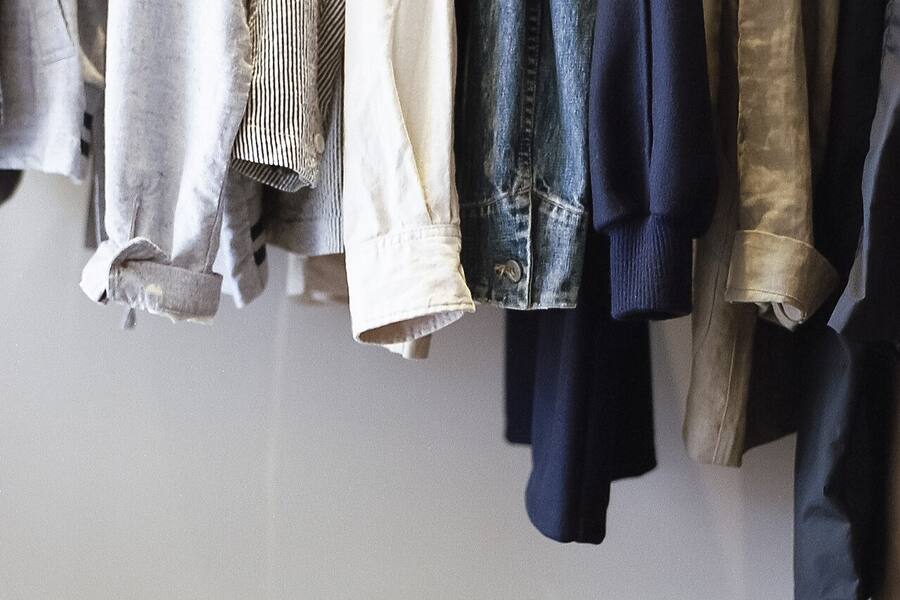
How To Make Your Clothes Last Longer
Clothes that last longer can be achieved through simple habits that help preserve the integrity of the fabric, avoid damage and minimize the wear and tear that occurs in daily life. These tips include reducing the frequency of washing clothes, washing them in cold water, using soft detergents, drying them properly and storing them in a proper way to increase the lifespan of the garments. Minor fixes, like tackling the loose button or mending a small tear, can also avert larger issues. You can save yourself some money, cut down on the amount of clothing that you waste and get those clothes to last for years and years to come by taking better care of your wardrobe.
1. Wash Your Clothes Only When Necessary
If you can, the easiest way to make your garments last longer is to refrain from washing them when you don’t have to. During washing, there is friction between clothes, which over time can cause the fibers in the clothes to weaken, fade and shrink. Certain clothes require to be cleansed after each use; others can be worn more times between washings.
For instance, underwear and socks, workout clothes, or clothes that are very dirty should be washed after each use. Jeans, sweaters, jackets and other outerwear, however, should be washed only when they get dirty or stink.
Check if an item really needs a full wash before placing it in the laundry basket. Sometimes all you need to do is blow or clean a small stain.
Here are some simple ways to minimize unnecessary washing:
- Let clothes dry out after wearing them, rather than washing them straight after.
- Spot clean any small stains promptly.
- To prevent body oils and sweat from getting through to the shirts, wear an undershirt.
- Use the care label to wash each garment.
- Don’t wash lightly worn clothing because you only wore it once.
Less washing preserves fabric strength, colour and shape.
2. Choose the Right Washing Method
The frequency of washing is as important as the manner in which you wash your clothes. Incorrect water temperature, detergent or washing machine cycle can ruin fragile textiles and reduce the lifespan of everyday clothing.
Most ordinary laundry can be done in cold water. It prevents color fading, decreases shrinkage and does not require as much energy as hot water. Some textiles/soiled articles may need other washing temperatures, however.
Never wash clothes together. Washing delicate fabric items together with heavy items may result in excessive friction, and dark and light clothing may have the potential to transfer colors.
Reflect on the following laundry practices:
- Separate by color: Wash whites, darks, and bright colors separately to prevent color bleeding.
- By fabric: Store delicate fabrics away from heavy fabrics like denim and towels.
- Reverse printed out and embroidered clothes: It helps to preserve the printed design, embroidery, and the surface of the outer fabric.
- Operate on gentle cycles: Gentle or low spin settings for sensitive materials.
- Do not over load: Don’t over stuff clothes in the washing machine.
- Proper detergent use also is important. Too much won’t make clothes cleaner. Rather, detergent buildup can cause fabric to become stiff and uncomfortable.
Handwashing might be the more suitable choice for delicate clothing. Wash in cool water and use a mild detergent, carefully swirl through the water and do not twist or squeeze too much.
3. Dry Your Clothes Properly
Drying is also a crucial aspect of clothing maintenance. Fibers can weaken, shrinks, cause elastic to lose strength and cause some fabrics to lose their shape because of high heat.
Whenever possible, air-dry your clothes. Place shirts, trousers and appropriate clothing on a clothesline or drying rack in an area with good ventilation. This limits the heat exposure and will also maintain fabric quality.
But not all clothes can be put through the drier the same way. When wet, heavy sweaters or knitwear may stretch when hanging. Rather, set them on a flat dry surface to keep them in shape.
To help dry it, keep in mind the following tips:
- Do not use high dryer temperatures unless specified by the care label on the dryer.
- Take clothes out of the dryer quickly to avoid deep wrinkles.
- Smooth out clothes before hanging to minimize wrinkles.
- Dry dark and colored clothes out of the direct path of the sun for an extended period of time.
- Padded hangers are good for clothes that tend to sag.
- Take care to spread out delicate knitted garments rather than hang them while they are damp.
When using a tumble dryer, use a low heat setting when appropriate. Air-drying could take longer, but it’s a better way to ensure your wardrobe is in good shape.
4. Store Your Clothes the Right Way
Correct storage results in no wrinkles, stretching, fading, moisture damage, and unpleasant odors. Even the well-preserved clothes can become spoiled if they are not stored properly.
As always, you should make sure that the clothes are totally dry before storing them. Wet clothes can promote the growth of mold and mildew that can create permanent stains and odors.
Decide on how to store clothes according to the type of clothes. Most shirts, dresses, jackets and structured clothing items should be hung. T-shirts, jeans, sweaters and heavier knitwear are often folded better as hanging may stretch their fabric.
There are a number of simple storage practices that can make all the difference:
- For delicate clothing, use wooden, padded or soft hangers or hangers with a shape that the item fits.
- Keep clothes to a minimum, since it is easy to get them wrinkled when they are tightly packed.
- Fold sweaters and bulky knits to avoid stretching.
- Keep out of season clothing in clean airtight bags or containers.
- Avoid having clothes near water and direct sunlight.
- Regularly dust and freshen up wardrobe.
When storing items for long periods, wash or clean them before storing and ensure they are dry. This is to avoid staining and foul odours becoming more difficult to remove at a later stage.
5. Repair Small Problems Before They Get Worse
Fixing small clothing issues is easier and more affordable when caught early. A loose button or small hole or slightly open seam may appear insignificant, but can cause larger damage problems if left unaddressed.
A few simple repair skills can save you money as they help to maintain your wardrobe. Simple repairs don’t require any expert sewing skills.
Begin with a small sewing kit with some needles, thread, scissors, extra buttons and safety pins. Here are some simple items to help solve everyday clothing issues at home.
These are some repairs to learn:
- Sew on missing buttons: Sew on replacement buttons before the fabric around the buttons is damaged.
- Tackle seams that are not secured: Sear open seams early to avoid the development of larger seams.
- Small holes: Patch with matching thread or appropriate fabric patches.
- Carefully remove loose threads: using scissors rather than pulling the threads.
- Repair/replace damaged zippers: Before more damage occurs to the fabric due to broken zippers, repair or replace them.
If you have a more costly dress, coat, suit or complex repair, try going to a professional tailor.
Fixing clothes is also one of the ways to help create a more sustainable lifestyle. You don’t toss items at the first sign of trouble, you give them a second chance.
6. Protect Your Clothes From Everyday Damage
All daily use can lead to wear and tear, even if clothes are washed, dried and stored properly. By paying attention to the way you wear and handle garments, it’s possible to avoid unnecessary damage.
One instance of this is if heavy bags are carried on the same shoulder it can cause friction to the fabric. Trousers can get torn over rough surfaces and sharp accessories can create snags.
In awareness of these minute acts, you can help keep your beloved clothes safe.
Here are a few tips:
- Don’t wear delicate clothing during activities that require heavy movement or friction.
- Carefully take off jewelry to avoid snags in fabric.
- Run out of the pocket before washing to avoid damage from keys, coins etc.
- When cooking, painting or doing household chores, use aprons.
- Use perfumery, deodorants and skin care before clothing, and let it dry before applying.
- Change clothes rather than having the same clothes every day.
You need to rotate your wardrobe, which is especially effective since it allows clothes to “cry out” between wears. It also minimizes friction and pressure to the same spots on the fabric.
Care labels are also important when purchasing new garments. Knowing what you need can help you make your purchase an easier one to maintain.
Related reading: how to build a professional work wardrobe and office fashion trends for modern professionals.
Final Thoughts
There are no hard-to-follow sewing patterns or costly fabric to be purchased to make clothes last longer. It begins with acknowledging the influence and impact of daily routines on fabric quality and then making some subtle changes to your clothing care practices.
Only wash clothes when they need it, wash clothes appropriately, don’t wash them too hot, or store them properly. Patch small rips and tears before they grow into larger issues and avoid running and rubbing your clothes unnecessarily.
Most importantly, don’t view your wardrobe as something which needs to be replaced at every turn. A little more effort in the care of clothes will save you some money, minimise the amount of textile waste and give you more value for your money.
Fortunately, there are a number of simple habits you can follow that will help your clothes last a lot longer.