
Peace Liky: The Easy Care Guide Every Plant Owner Needs Right Now
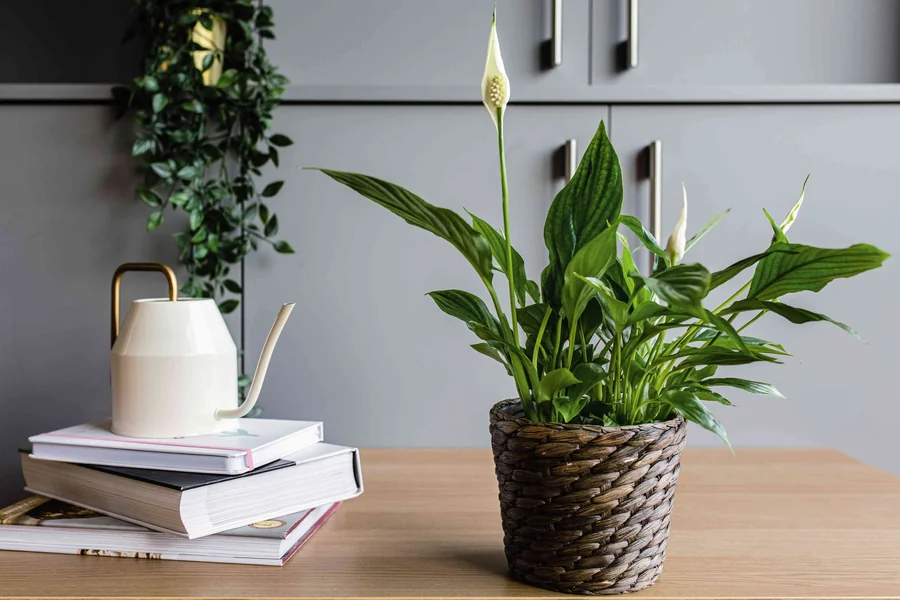
A peace liky is a plant with dark green leaves and white blooms typically found in corners of a room if you’ve entered a home before and noticed a plant in the corner. This plant is most widely grown houseplant in the world. It’s loved because it’s simple to raise, adds a good look, and truly fresher the air you breathe. The peace liky has been a staple houseplant for over a decade for both plant novices and experts. So once you know how easy it is to take care of, you’ll want one also.
What is a Peace Liky?
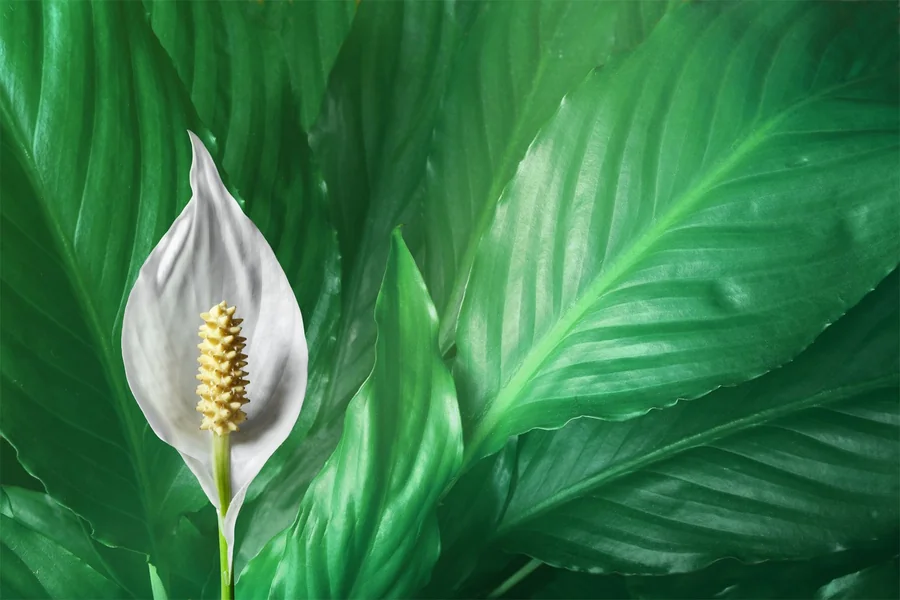
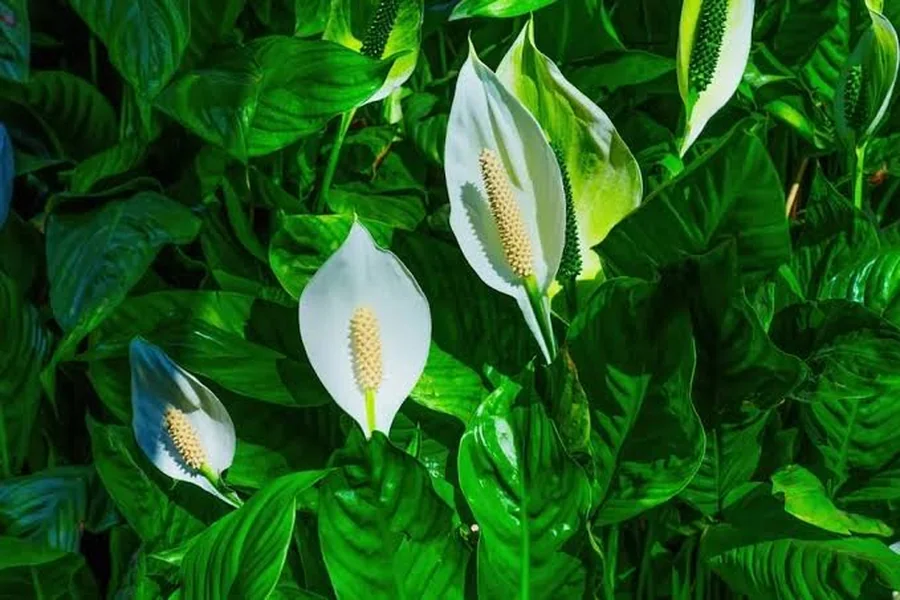
The common name for a plant of the genus Spathiphyllum is peace liky. Native to tropical areas in America and Southeast Asia. Plants grow 1-4 feet tall in the greenhouse. Leaves are deep, dark green and shiny, and the flowers are white. The white flowers don’t have petals. They are known as spathes and are modified leaves that encircle the flower spike. Some people think they are petals, but you now know better.
Peace liky was named for the white spathes, which resemble the white flag, which has long been a symbol of peace. This plant has been used as a gift at funerals, at times of sickness, or when someone is facing a difficult time in many cultures. It’s about more than looks.
Peace Liky: Quick Facts Table
| Category | Detail |
| Scientific name | Spathiphyllum |
| Common name | Peace lily / Peace liky |
| Origin | Tropical Americas and Southeast Asia |
| Indoor height | 1 to 4 feet |
| Light needs | Low to medium indirect light |
| Watering frequency | When top inch of soil is dry |
| Ideal temperature | 65°F to 80°F (18°C to 27°C) |
| Toxicity | Mildly toxic to pets and humans |
| Air purifying | Yes — removes formaldehyde, benzene, CO |
| Bloom season | Spring (can bloom twice a year) |
| Lifespan | 3 to 5 years indoors (often much longer) |
| Symbolism | Peace, purity, hope, and healing |
Why the Peace Liky Is Worth Your Attention
Let’s be honest. There are hundreds of houseplants that are available. But why choose a peace liky? The answer is simple. It’s more than just pretty to look at.
One of the few plants that has been scientifically tested on NASA research for its ability to purify indoor air is the peace liky. It extracts harmful chemicals such as formaldehyde, benzene and carbon monoxide. These chemicals enter your home in furniture, cleaning products and in paint. A peace liky sneaks them away undetected as you make your way through the day.
Other than that, the peace liky moisturizes the air in a room. This can be particularly beneficial during the winter season when the air inside tends to be dry. Keeping humidity levels up can alleviate dry skin, sore throat and breathing difficulties. It’s a lot of work for one plant.
Peace Liky Care: The Basics You Need to Know
Now, the good news. The peace liky is not an “easy plant to look after”. It allows for a lot of error. However, there are a few tips that you should follow that can help it to stay alive.
Light
The peace liky is a light feeder. This is one of the reasons why it works well indoors, as it can survive in low light rooms. Do not put it in direct sunlight, however. The leaves will be damaged by direct sun and will show brown spots. The ideal location for a peace liky is by a window that has a curtain or a room that has soft natural light.
Watering
The greatest advantage of using a peace liky is that it will let you know when it requires water. When it’s thirsty, the leaves will start to droop slightly. It’s the cue you’re looking for. Insert about one inch of finger into the soil. Water plant if it feels dry. If it remains damp, let it dry out for several days more.
Many people harm their peacely by over watering it. Moisture leads to root rot and that can kill the plant. Water sufficiently to maintain moist, but not saturated soil.
Temperature
The peace liky does best in temperatures between 65 and 80 degrees Fahrenheit. Does not tolerate cold drafts. During winter months, be sure not to place it near air conditioners or cold windows. Peace liky will continue to grow with steady warm temperatures.
Read More: Banham Zoo Tickets
Humidity
Peace liky is a tropical species that requires some moisture. Regularly mist the leaves or put the pot on a tray of rocks and water will trickle through the rocks. A little humidifier around the plant is a simple solution if it’s a dry climate.
Soil and Fertilizer
Peace lily potting mix should be well-drained. It doesn’t need to be fertilized regularly. Every 6-8 weeks in spring and summer is sufficient. Do not put on too much fertilizer as this will result in brown leaf tips (unwanted).
Common Peace Liky Problems and How to Fix Them
Not even the easiest to care for of plants can always get things right. Here are some tips to be aware of.
Peace Lily with yellow leaves typically indicates over-watering. Allow soil to become slightly dry before watering again. If it persists, examine roots for rot and cut away affected areas before re-potting.
The cause of brown leaf tips is commonly low humidity and/or chemicals in tap water. Water with filtered water or water that has been left to sit in the open for a few hours before watering. This allows the fluoride and chlorine to evaporate.
If the leaves droop but do not raise up after being watered, it is a sign that the plant may be root rotten or it needs repotting. If your peace plant has become too cramped, transplant it into a larger pot with more space for the roots to grow.
Another issue is no flower. Peace lily requires a little extra illumination to grow. Place near a window (but not in direct sunlight) and wait. Flowers are typically spring bloomers.
Is the Peace Liky Safe for Pets and Kids?
This is an important question. The peace liky is not poisonous. May irritate the mouth of pets and small children, and upset the stomach if eaten. Not life threatening, but it is uncomfortable. Place your peace liky out of the reach of cats, dogs and toddlers on a shelf or in a room.
It can be propagated by cuttings.
Desire more peaceful likes plants, but not spending money? Dividing the root ball is a way of propagation. If repotting, break plant apart carefully, taking care not to sever the roots. Transplant into individual pots and mulch thoroughly. Place in a warm area with indirect light until they are established. In just a few weeks, you will have some new peace liky plants to grow.
Read More: Colin Hanks Net Worth
FAQs:
When should I water my peace liky?
Water when top inch of soil is dry. Typically once a week however it will depend on humidity and light level at home.
Will a peace liky grow in the dark?
It will grow in shade, but rarely flower. Place in soft indirect light near a window for healthy growth and flowers.
Why are my peace liky leaves turning yellow?
Yellow leaves is invariably a symptom of excess water. Allow soil to dry out and water less frequently.
Does the peace liky get into bedrooms?
Yes. Purifies air, adapts to low lighting and increases humidity. This makes it a good bed room plant choice.
Peace liky has a life of how many years?
If cared for properly, the peace liky can live for three to five years or many years longer. It has been over 30 years for some!
Does a peace liky clean the air?
Yes. NASA studies have proven the peaceliky can remove toxins such as formaldehyde and benzene from indoor air.
May I have a Peace Liky outside?
Under warm, humid conditions (except frost). The peace liky is typically an indoor plant in most areas.